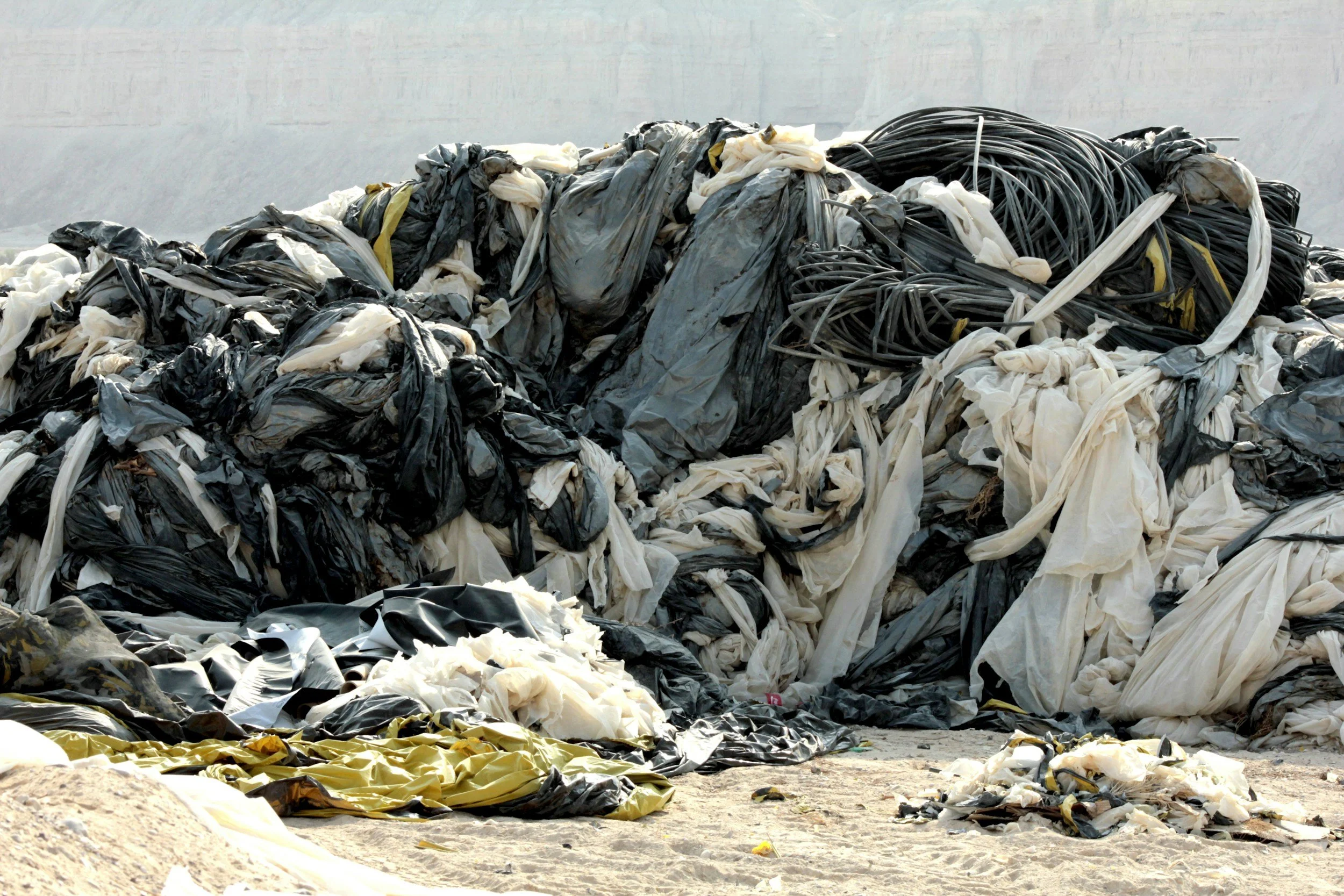
Brands get in your head and live there rent free.
Do you know how they got the keys?

There is a major problem with our values system as a society.
When did it become the norm to spend fifty to eighty dollars on a dinner date without batting an eye, but if a pair of trousers or a shirt costs this much we wince in disbelief? If we think objectively, the dinner won’t stay in our system for more than twenty-four hours, but a pair of trousers or a shirt, that will last not only one average lifetime, but sometimes three or four.
There is a major disconnect between what we’ve been taught to value as a society vs what we should actually be considering valuable. We’re taught to expect dinners to be expensive, naturally! Restaurant ads are generally light, airy and give you a feeling that this thing is something that should be valued and taken slow. Fashion ads on the other hand are loud, exciting, fast and portray a feeling of urgency, telling you this thing should be consumed immediately - and if you don’t like it, “return it” toss it.
This is done intentionally to prime our minds to associate certain goods and services to be valued with a different set of importance. But why? In this specific example it may be because in order to survive as a restaurant you can’t sell 100 meals in 3 minutes, so you must demonstrate the value of sitting and spending your well earned pounds on a dinner. Fashion brands however, can and do sell thousands of items in minutes and the strategy of impulsivity and immediacy works.
But how do brands manage to subtly get in our heads so successfully?

The power of neuromarketing.
Nowadays, marketing has become something extremely advanced, so much that it’s down to a science… literally. Companies have arrived to a point where they use neuroscience to get you to buy stuff you don’t really need, way before you consciously know you even wanted it to begin with. This practice is called neuromarketing. Neuromarketing uses tactics such as eye/mouse tracking, colour usage, emotional response analysis and psychological triggers, among others to help inform ads, design and business performance. We’ve created an episode all about neuromarketing, how you can protect your privacy and what you need to know about how brands use your data and influence your decisions, on our podcast. Listen to the episode here.
So, if we know that businesses can use our brains to buy more, think less and toss mindlessly - why don’t we find a way to reverse that?

This is where we come in.
We believe that only a complete reinvention of society's values will be enough to accomplish this.
We want to help you rethink what fashion is supposed to mean and how to connect with it as a society.
In our podcast, we focus on uncovering societal issues that exist in fashion such as overconsumption, overproduction and greenwashing, as well as sharing innovative solutions that are currently working towards improving the state of the fashion industry.
We have worked within the industry from a material, garment and manufacturing level as well as from a brand management and marketing level and we understand that operating in a linear system while making small "recyclable" tweaks to production or packaging to insinuate the illusion of sustainability is not going to change this industry. We need innovative, circular and socially radical solutions that shift the way we think, relate and connect to fashion on an intrinsic level.
We need to change the fashion industry from the inside out.
The good news is…
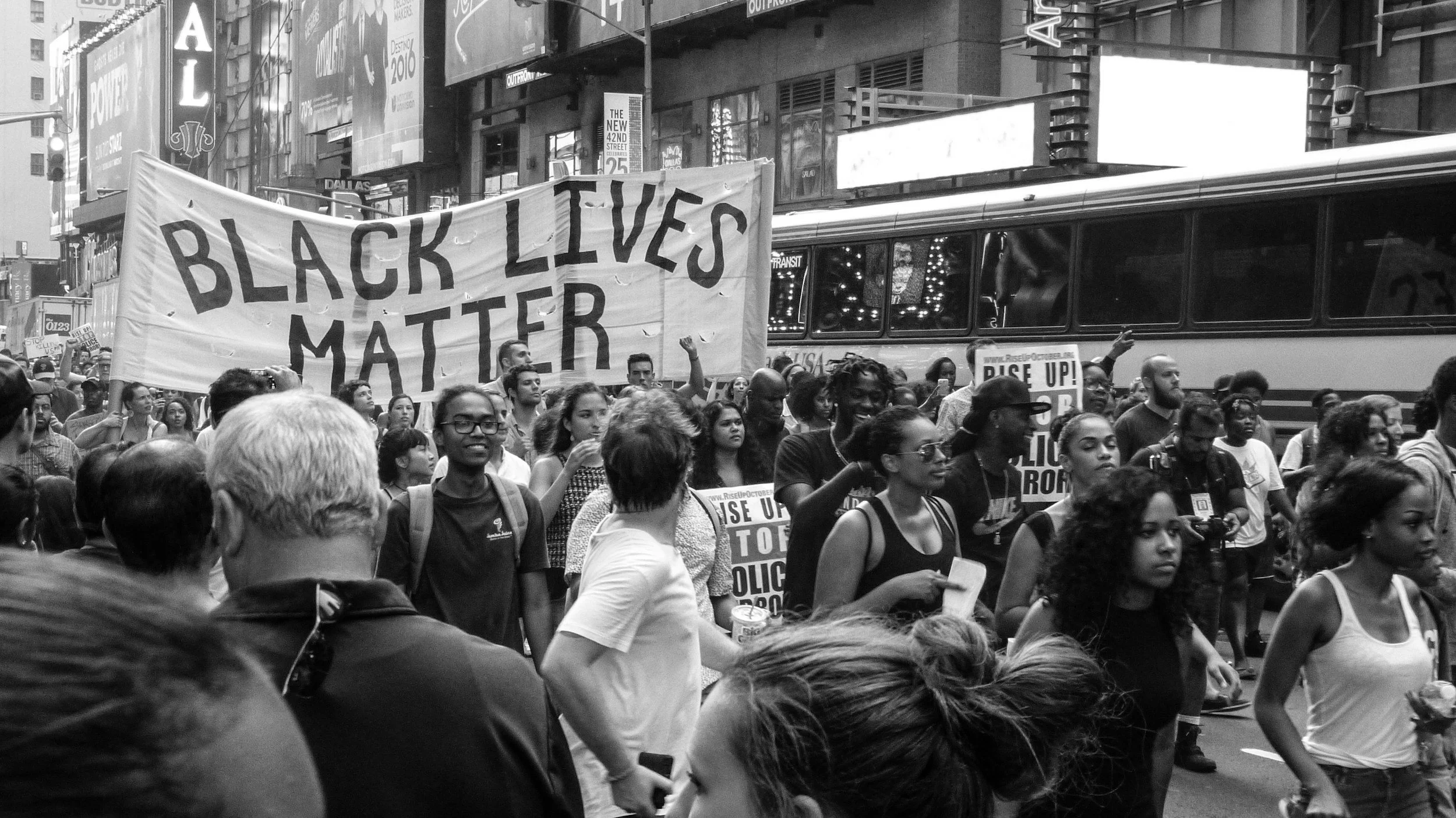
When we contemplate a reinvention of society, the process sounds insurmountable and unrealistic. Which is why it’s important to look back at recent historic moments that have changed society, to remember how powerful we actually are collectively. A few of those being the Black Lives Matter movement and - in a completely different way - the COVID-19 pandemic. These major events have changed our society on a global scale.
The brutal murder of George P. Floyd Jr. in 2020, made our society snap, and rightfully so. The weight of systematic racism and police brutality was too heavy to continue carrying and we knew something needed to change immediately.This collective societal shift helped us grow and change the way judicial systems operate. We have barely scratched the surface, and there is still so much more work to be done, but nontheless, the movement shifted society in a necessary way.
These might be extreme examples, but they are relevant and connected to fashion. If we think about the countries that bare fashion’s weight, and how they’ve been treated systematically for centuries… it starts making sense.
We can reinvent society - we’ve done it before.
What countries bare fashion’s weight?
Primarily developing countries where populations are marginalized, people of colour that lack a fair government infrastructure to protect their human rights.
Once we recognize how interconnected racism, climate change, equality and human rights are to the clothes we wear each day, then we can reinvent the industry and create real systematic change.
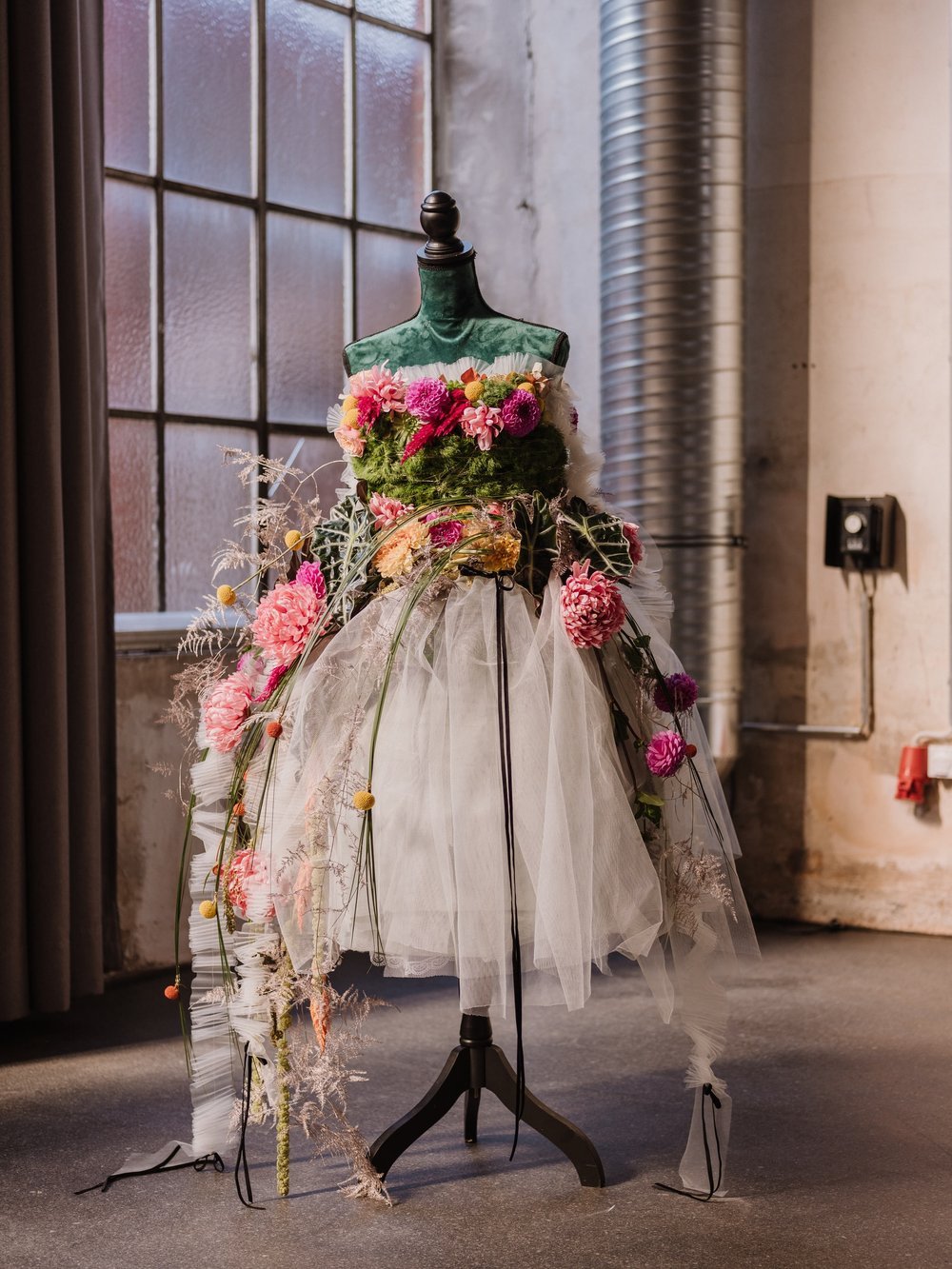
It’s time for change, and it starts with you.
Join us in our quest to change the way fashion operates from the inside out! We upload interviews intermittently and are looking for support to help us manage and grow the podcast. If you’re someone with a passion for sustainability, textile science and innovation and have social media experience, consider volunteering to help us grow! If this isn’t you, consider following us on social media, listening to an episode and sharing our work with your friends and communities! Your support matters.

Beyond The Podcast
Learn about Cris, the founder of the Naturspired® Podcast and the designer behind HERRERA. Design.